Ventilation Trends: Innovations in Louvre Design and Functionality
Understanding the Basics of Louvres
Louvres have long been a staple in architecture, providing both aesthetic appeal and essential functionality. Traditionally used for ventilation and privacy, louvres allow air to pass through while keeping out unwanted elements like rain and direct sunlight. Recent innovations in louvre design have expanded their functionality, making them a popular choice in modern buildings.
From residential homes to commercial complexes, the versatility of louvres is unmatched. They not only enhance the architectural design but also contribute to energy efficiency. With the increasing focus on sustainable design, louvres are now being integrated into various building systems.
Innovative Materials in Louvre Design
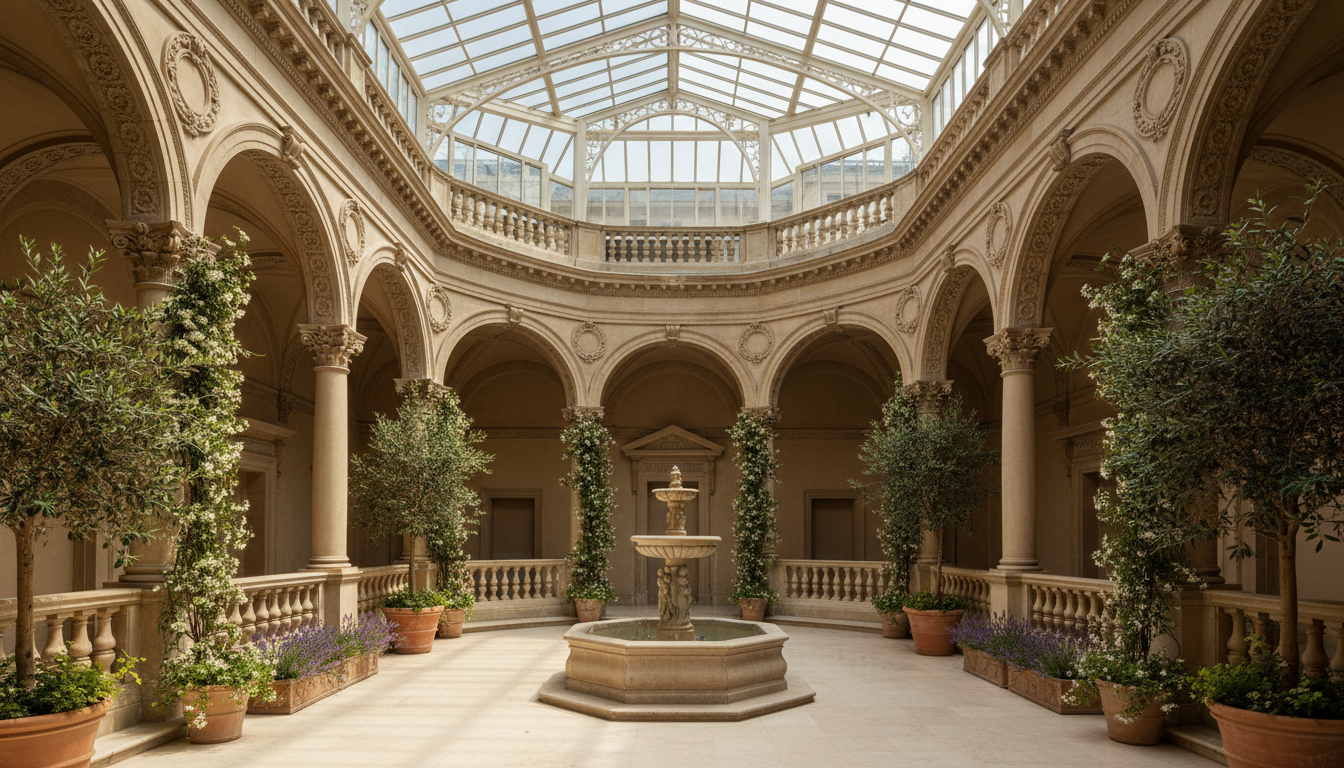
One of the most significant trends in louvre design is the use of innovative materials. Traditional materials like wood and metal are now being complemented by advanced composites and smart materials. These materials offer improved durability, weather resistance, and aesthetic options.
For instance, composite materials can mimic the appearance of natural wood while providing superior resistance to weathering and decay. Additionally, smart materials that respond to environmental changes are becoming more prevalent, allowing louvres to adapt to varying weather conditions automatically.
Smart Technology Integration
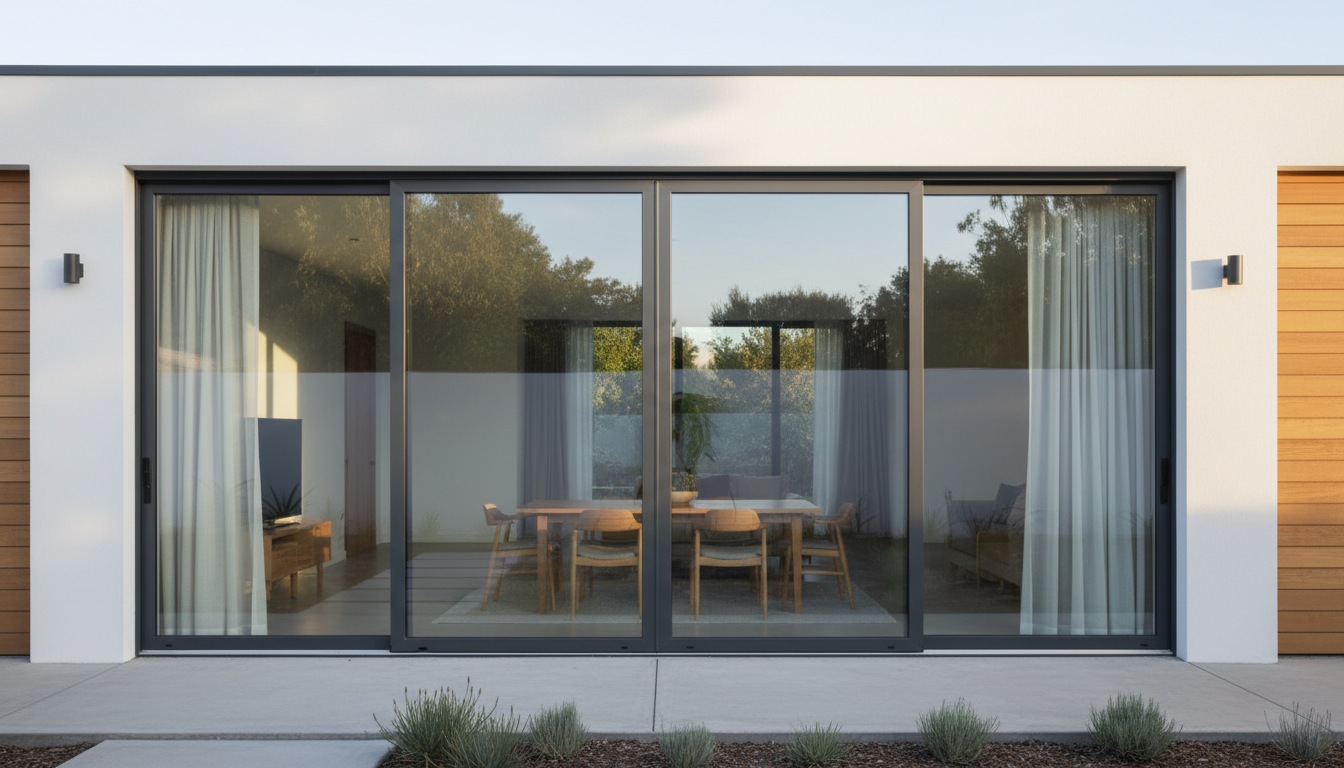
Technology has revolutionized many aspects of design, and louvres are no exception. The integration of smart technology allows for automated control of louvre positions based on environmental sensors. This ensures optimal airflow and temperature regulation without manual intervention.
Some systems can be integrated with home automation platforms, enabling users to control their louvres via smartphones or voice commands. This level of convenience and efficiency is becoming increasingly attractive to homeowners and building managers alike.
Energy Efficiency and Sustainability
As sustainability becomes a primary focus in construction, louvres play a crucial role in enhancing a building's energy efficiency. By regulating airflow and natural light, they reduce the need for artificial heating, cooling, and lighting.
Moreover, many modern louvre systems are designed with sustainability in mind, using recyclable materials and energy-efficient manufacturing processes. This aligns with the global push towards greener building practices.
Aesthetic Versatility
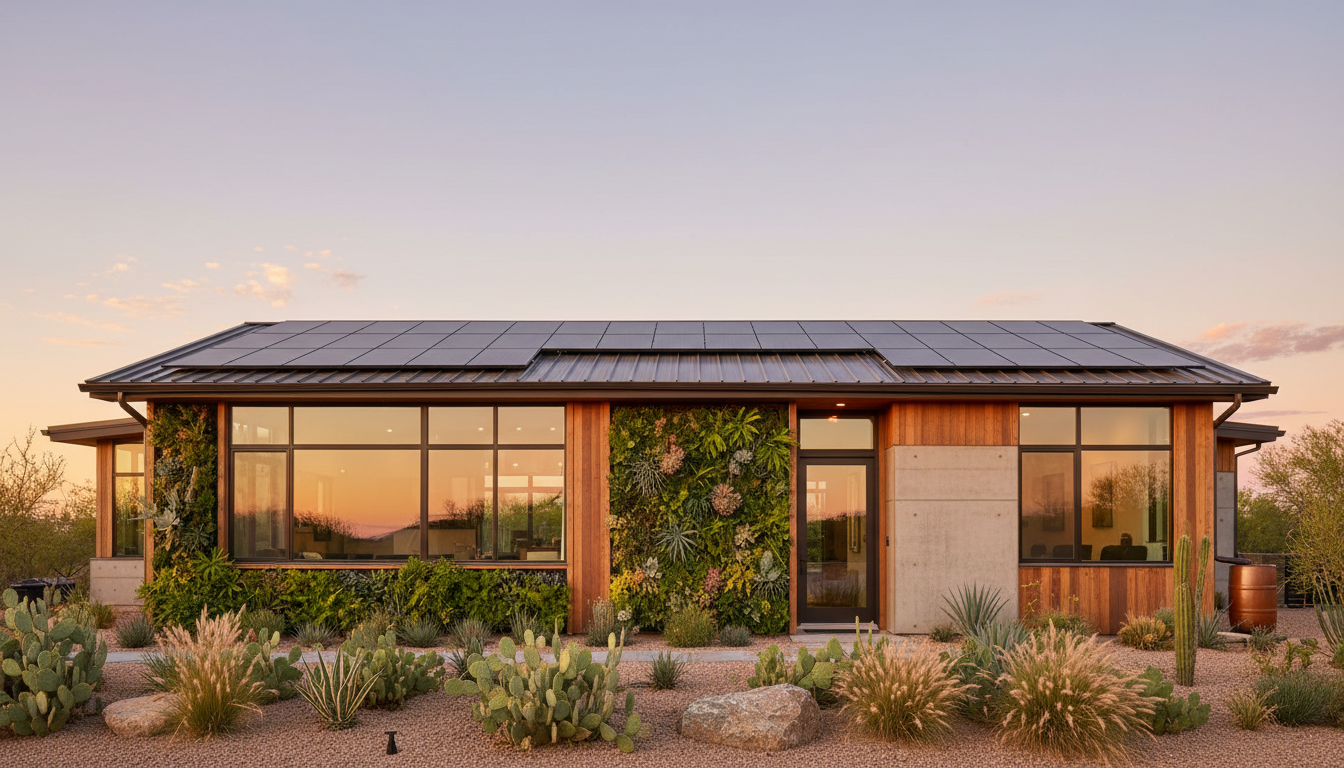
Apart from their functional benefits, louvres offer remarkable aesthetic versatility. Designers can choose from a wide array of styles, colors, and finishes to complement any architectural theme. The ability to customize louvres allows architects to maintain the integrity of their design vision while incorporating necessary functionality.
Whether it’s sleek, modern lines for a contemporary building or rustic charm for a traditional home, louvres can be tailored to meet diverse aesthetic needs.
Future Prospects in Louvre Design
The future of louvre design is promising, with ongoing research and development paving the way for even more advanced solutions. Innovations in materials, technology, and design are expected to continue, offering enhanced functionality and aesthetic appeal.
As the demand for sustainable and efficient building solutions grows, louvres will undoubtedly remain a pivotal element in modern architecture. Their ability to blend form and function ensures they will continue to evolve, meeting the needs of future generations.