Debunking Common Myths About Screening Louvres and Their Applications
Introduction to Screening Louvres
Screening louvres are essential components in modern architecture, providing aesthetic and functional benefits. However, several myths surround their application and effectiveness. This blog post aims to debunk these common misconceptions and shed light on the true advantages of screening louvres.
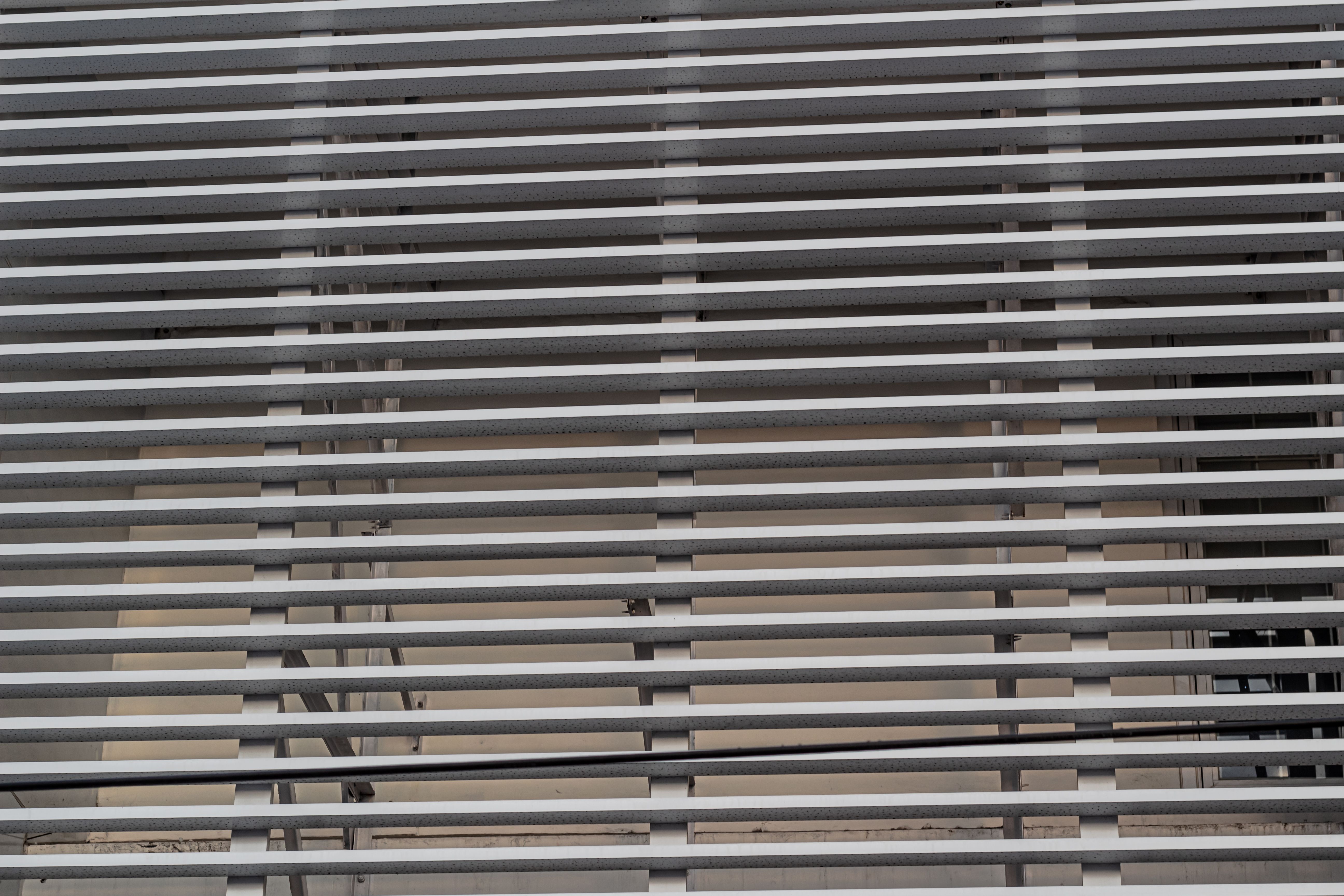
Myth 1: Screening Louvres Are Only for Aesthetic Purposes
While screening louvres do enhance the visual appeal of a building, they also serve several practical purposes. These structures are designed to control light, improve ventilation, and enhance privacy. By diffusing harsh sunlight, they help maintain a comfortable indoor temperature, reducing the need for air conditioning.
Moreover, louvres can be strategically positioned to optimize airflow, contributing to better ventilation. This makes them an excellent choice for environmentally-conscious designs aiming to reduce energy consumption.
Myth 2: Screening Louvres Are Inefficient in Harsh Weather
Another common misconception is that screening louvres are unsuitable for harsh weather conditions. In reality, modern louvres are engineered to withstand extreme weather, including heavy rain and strong winds. Many manufacturers offer louvres made from durable materials like aluminum and galvanized steel, which are resistant to corrosion and damage.
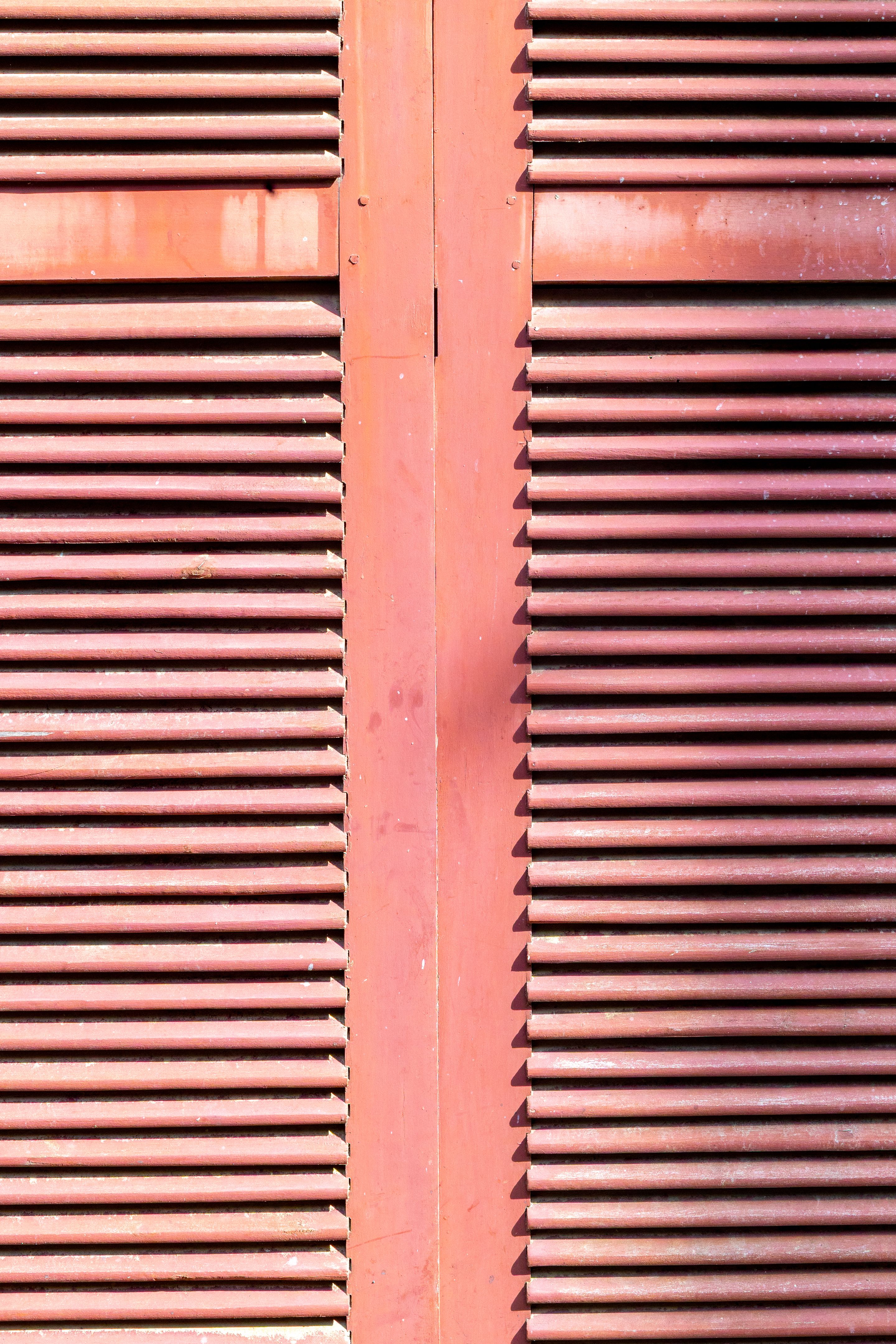
Additionally, louvres can be customized to provide optimal protection against specific environmental factors, ensuring they perform effectively regardless of the climate.
Myth 3: Screening Louvres Require Intensive Maintenance
Some people believe that screening louvres demand frequent maintenance and cleaning. However, with the right materials and finishes, louvres can be incredibly low-maintenance. Powder-coated surfaces, for example, are resistant to dirt and grime, making cleaning a breeze.
Furthermore, regular inspections and minor cleaning are often sufficient to keep louvres in excellent condition, ensuring they continue to function efficiently for years.
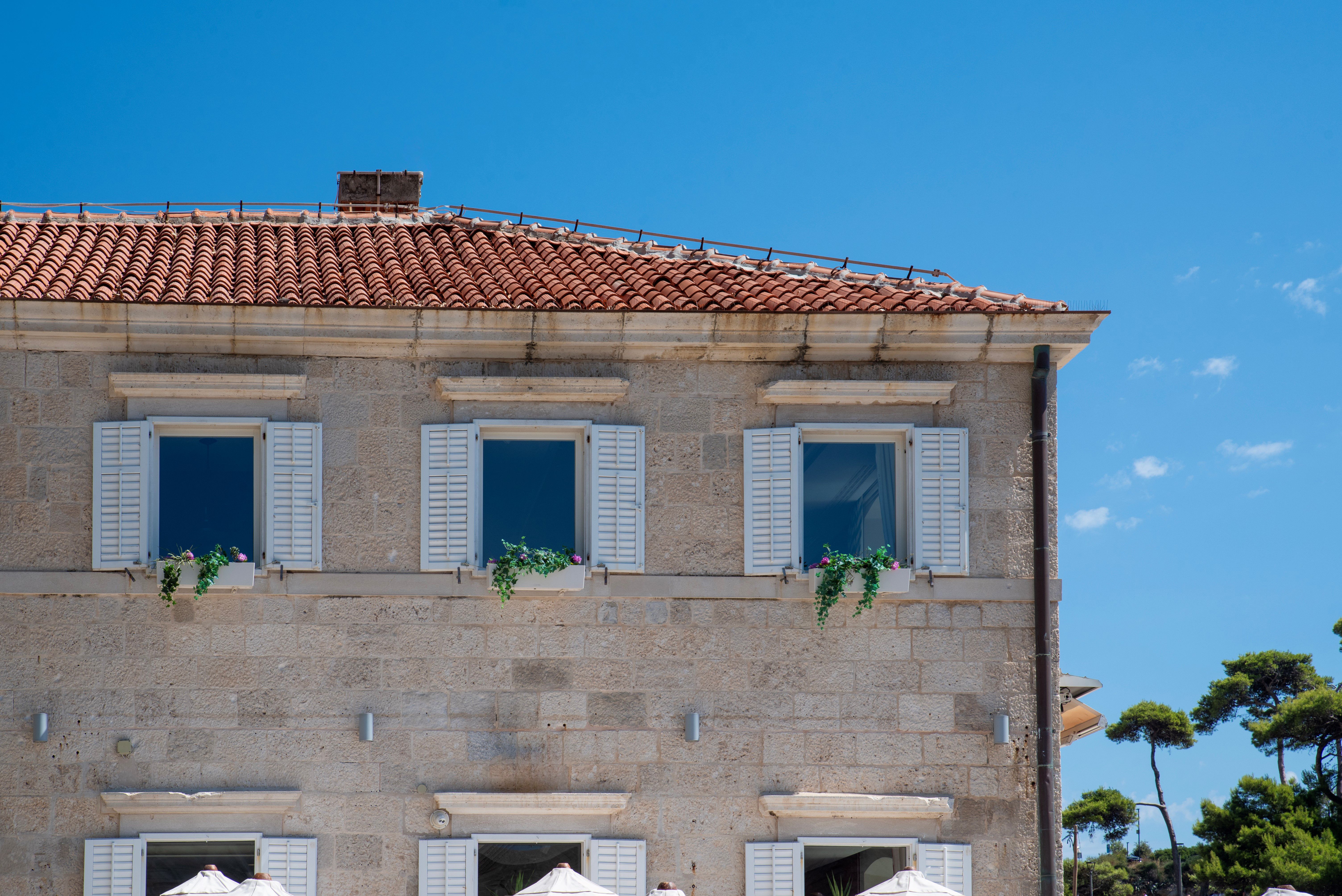
Myth 4: Screening Louvres Are Not Cost-Effective
There's a perception that screening louvres are an expensive investment. While the initial costs might seem high, the long-term savings and benefits they offer can outweigh these expenses. By improving energy efficiency and reducing reliance on artificial climate control, louvres can significantly lower utility bills.
Additionally, their durability ensures a long lifespan, minimizing the need for replacements and repairs. Investing in quality louvres can provide substantial returns over time.
Conclusion
Screening louvres are versatile, effective, and a valuable addition to modern architecture. By debunking these myths, we hope to highlight their true potential and encourage their use in sustainable building designs. Whether for aesthetics, efficiency, or durability, screening louvres offer numerous benefits that are worth considering.